Get expert tips and tools to improve care, reduce costs, and run a better practice—one post at a time.
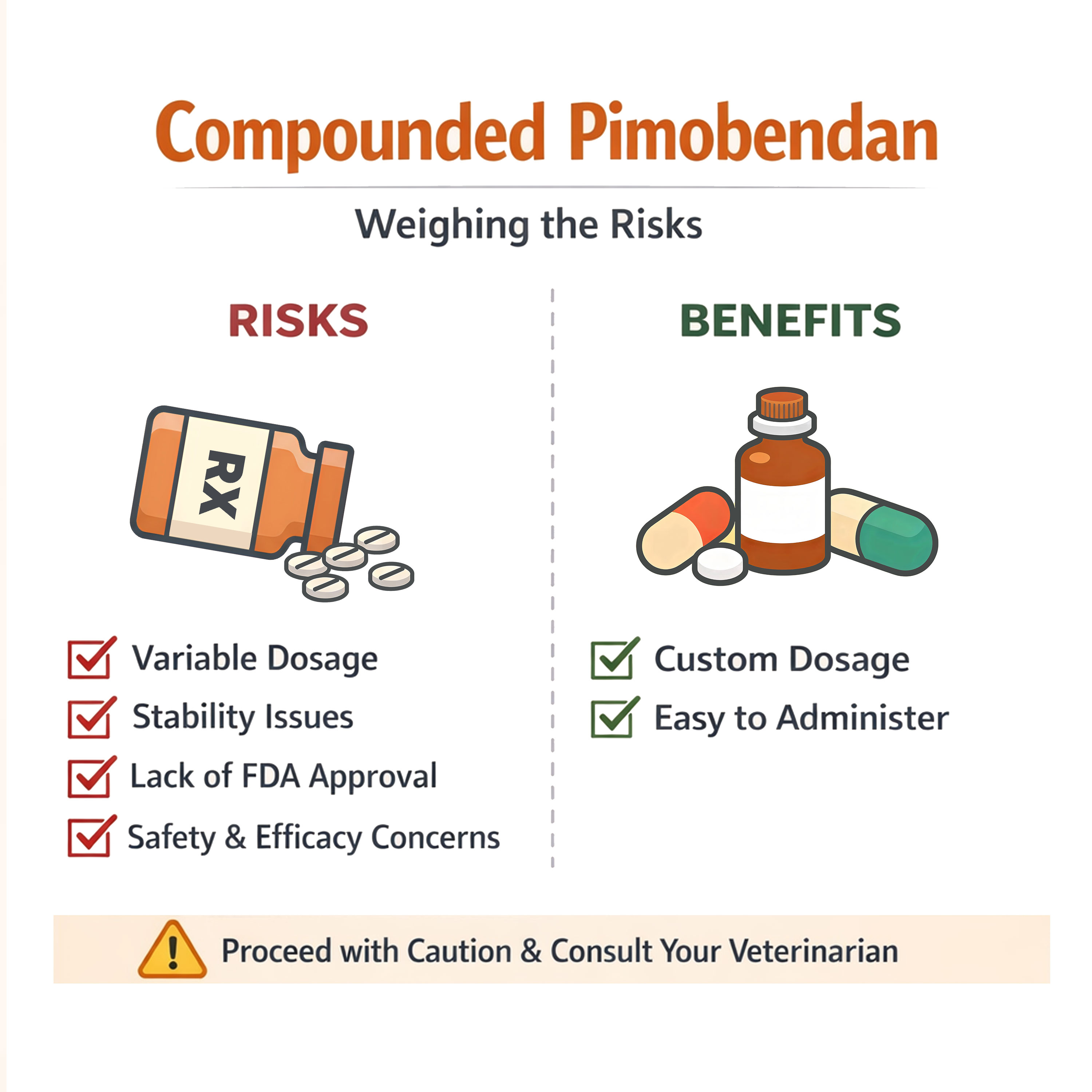
This article reviews current research on compounded pimobendan, explores potential risks related to stability and absorption, and summarizes key findings on dissolution and bioavailability to help veterinary teams make informed, patient-focused decisions.
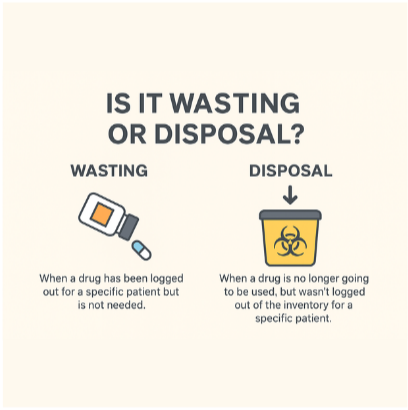
Learn how to distinguish wasting from disposal to ensure compliant handling of controlled substances in your practice.
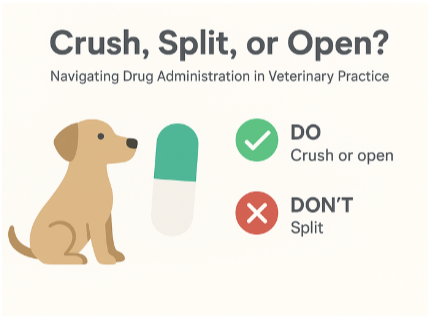
This article explains when and why veterinary medications can or cannot be split, crushed, or opened to ensure safe and effective administration to animal patients.
This article outlines four key characteristics—general practices, staff skill level, veterinary familiarity, and pharmacy culture—that define a high-quality compounding pharmacy and help ensure safe, effective medications for veterinary patients.
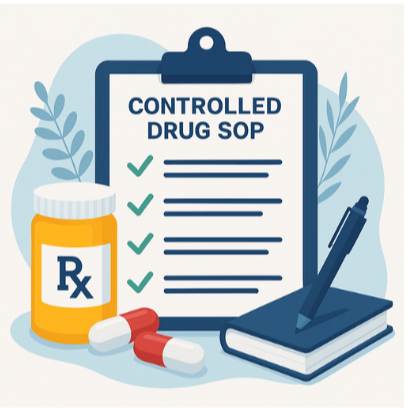
This article highlights the importance of having clear, practical Standard Operating Procedures (SOPs) for controlled substances to ensure DEA compliance, guide employees, and protect veterinary practices from costly violations.
Learn how to evaluate discrepancies in controlled substance inventories by reviewing trends, usage data, and drug-specific factors to determine whether a loss is significant and requires DEA Form 106 reporting.
Learn what are the top 5 mistakes vet clinics make when dispensing medications
Join our pack and get expert advice, clinic updates, and pet wellness tips delivered straight to your inbox.