Related Posts
Join our pack and get expert advice, clinic updates, and pet wellness tips delivered straight to your inbox.

Learn how to distinguish wasting from disposal to ensure compliant handling of controlled substances in your practice.

When handling controlled substances, it is essential that everything is done within the bounds set by the many regulations. However, one area that can become confusing in practice is what to do with drug that is no longer needed/usable.
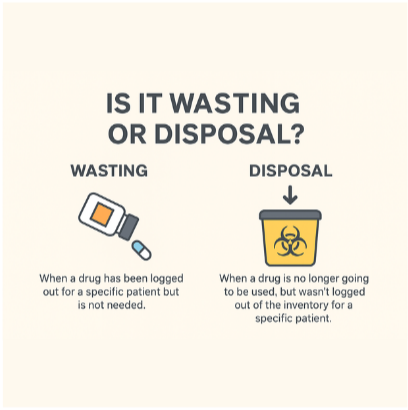
For controlled substances, answering this question requires differentiating between Wasting and Disposal because these have different requirements for documentation and what to do with the drug.
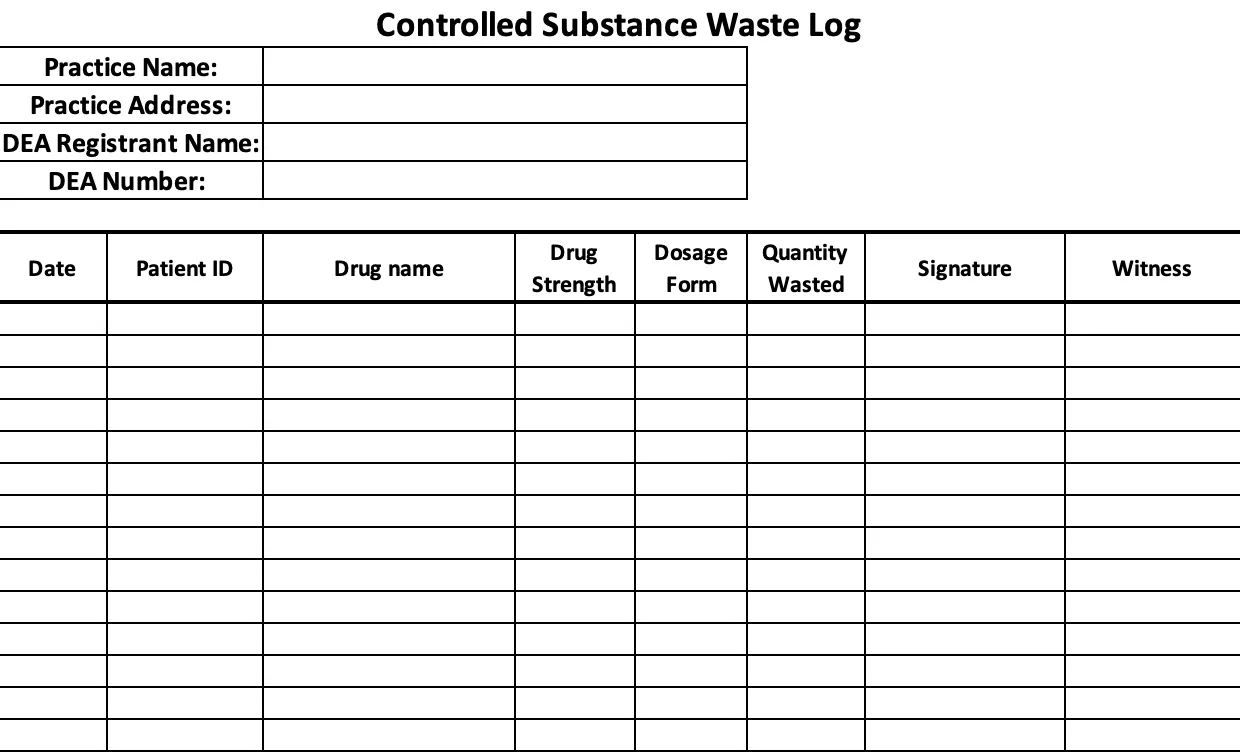
For drug waste, this is documented on a waste log, and disposed of internally. The waste log is created internally and must include the following information.
For drug disposal, this is documented on a DEA Form 41.
Both forms of documentation must be kept for a minimum of 2 years according to Federal law. However, this retention period may be longer based on state law.
For actually disposing of these drugs, there may be differences depending on if it's wasting or disposal.
For clients that have controlled drugs that are no longer needed, they should be directed to find a DEA drug disposal location. Veterinarians must not accept controlled drugs from clients for disposal unless they are registered as collectors (which most are not).
It's important to ensure that controlled substances are maintained securely and all recordkeeping requirements followed throughout the drug's lifecycle. Therefore, practices should ensure the staff handling controlled substances are clear on what is wasting versus disposal and the specific steps that must be taken in each situation.
👉 Need help strengthening your controlled-substance protocols? click here to get started.


Join our pack and get expert advice, clinic updates, and pet wellness tips delivered straight to your inbox.